What to see in Gran Canaria in 7 days: an itinerary to explore the island at an easy pace
Gran Canaria packs very different landscapes into a small area: golden dunes, mountain pine forests, city beaches and deep ravines opening towards the interior. A week is more than enough to explore it without rushing, dividing the days between beach, nature, culture and good food.
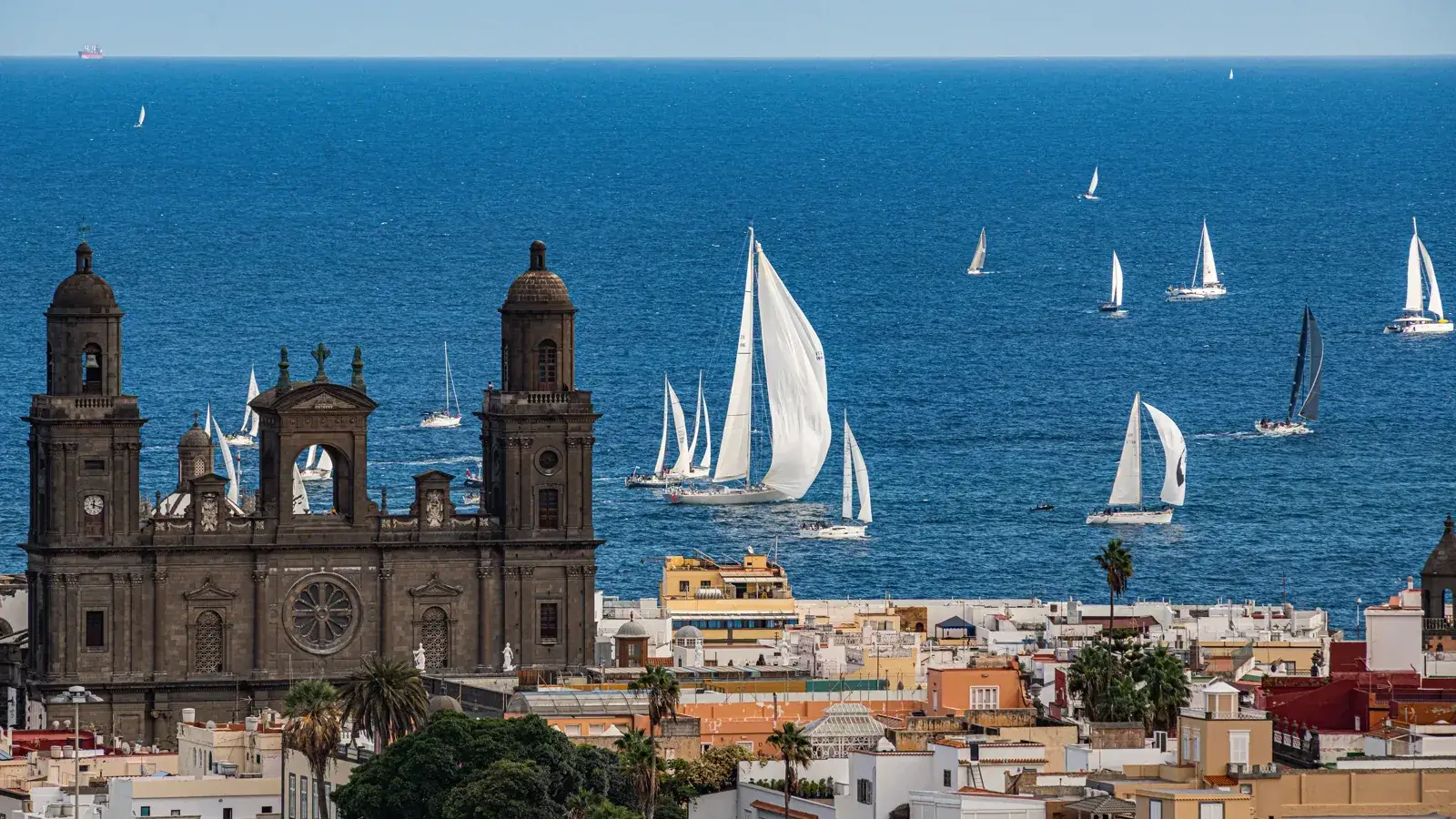
Day 1: Las Palmas de Gran Canaria
The capital deserves a full day. The Vegueta district preserves the historic origins of the city, with cobbled streets, colonial-style houses and always lively squares. Then it's time to head down to Las Canteras beach, one of the best urban beaches in the Canary Islands, ideal for swimming, strolling along its promenade and ending the day with dinner facing the Atlantic.
Day 2: Maspalomas and the south of the island
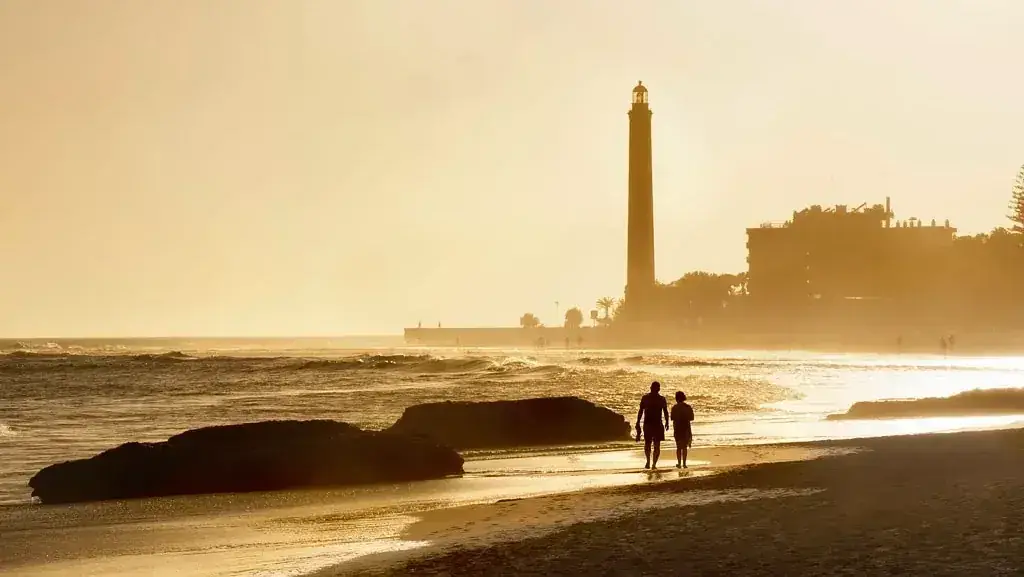
The second day has a star of its own: the Maspalomas dunes, a natural landscape that changes its look with the light and the wind, and that is at its best at sunrise or sunset. The rest of the day can be spent in Meloneras, in Playa del Inglés or on any quiet stretch of sand in the south of the island.
Day 3: Puerto de Mogán and the southwest coast
Puerto de Mogán brings together a marina, whitewashed houses, bougainvillea in bloom and a very photogenic atmosphere. It's a day designed for slowing down: a stroll through the village, lunch by the sea and a swim on the southwest coast. The road itself, between ravines and cliffs, is already part of the journey.
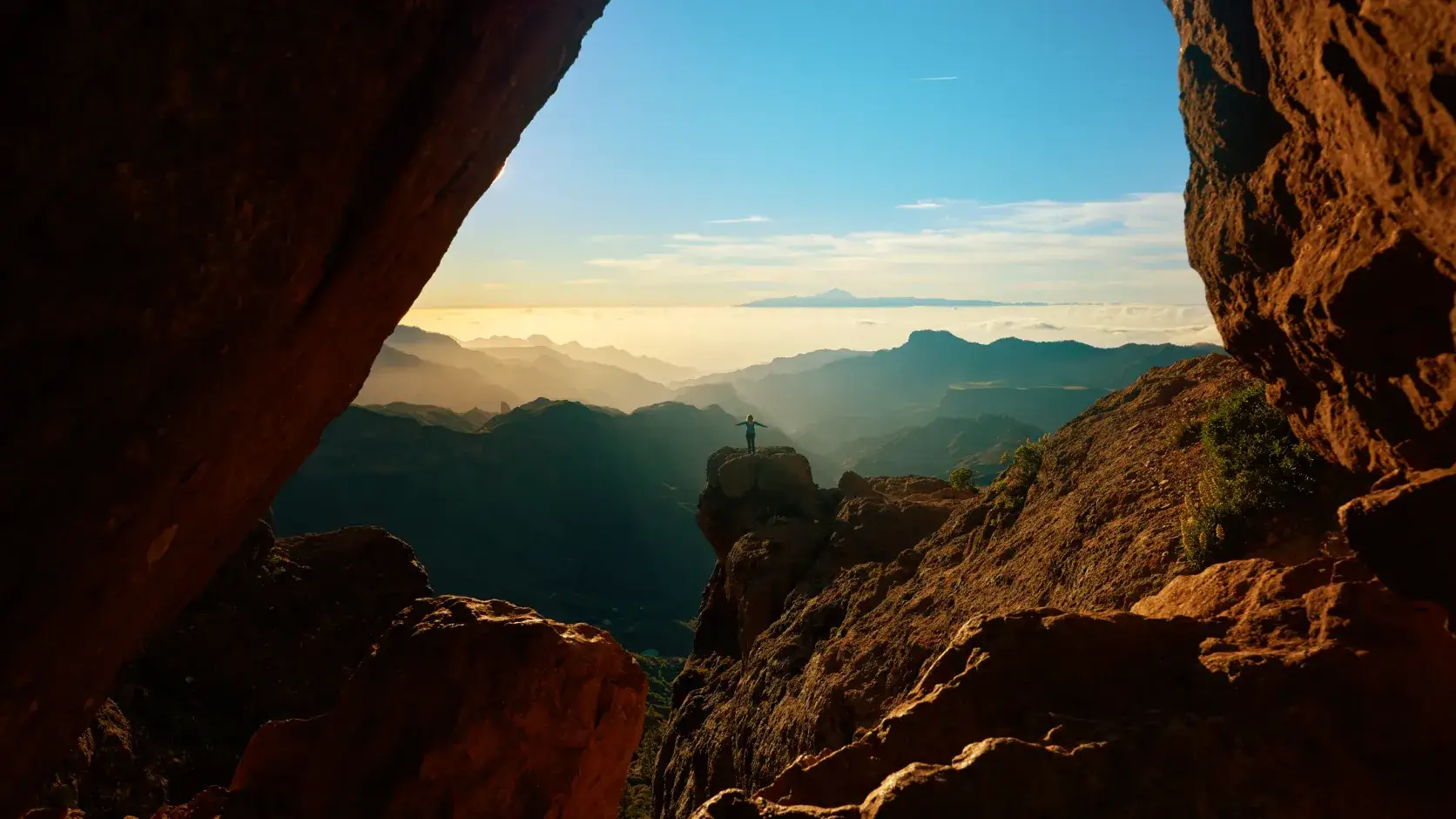
Day 4: Roque Nublo and the summit
The interior completely transforms the usual image of Gran Canaria. The route to Roque Nublo crosses mountain landscapes, pine forests and viewpoints, and on clear days the view reaches as far as Teide. It's worth booking access in advance if the system requires it and wearing comfortable walking shoes.
Day 5: the inland villages
Tejeda, Artenara and Teror show the most traditional side of the island, with wooden-balconied houses, local sweets, weekend markets and views over the ravines. It's a perfect day to understand how life is lived away from the coast.
Day 6: a day at the beach
Amadores, Anfi, Las Canteras or Maspalomas are very different options for devoting a day to the sea. The choice depends on what you're looking for: services nearby, calm waters, a lively atmosphere or, simply, the best scenery.
Day 7: a free day
It's best to leave the last day without fixed plans: go back to the beach you liked most, climb to a viewpoint you missed or return to Las Palmas. Gran Canaria has that virtue: it always leaves something pending for your next visit.
FAQs
Is one week enough to get to know Gran Canaria?+
Yes. Within a few kilometres the island goes from dunes to pine forests, from urban beaches to ravines and from mountain villages to historic districts by the sea. A week lets you explore it calmly, alternating beach, nature and culture.
What should I see on the first day in Gran Canaria?+
It's best to spend it in the capital. The Vegueta district preserves the historic origins of Las Palmas de Gran Canaria, and Las Canteras beach is one of the best urban beaches in the Canary Islands to end the day facing the sea.
Is it worth climbing Roque Nublo?+
Yes. The interior of the island completely changes the image of Gran Canaria you get from the coast. The route to Roque Nublo crosses mountain landscapes, pine forests and viewpoints, with views of Teide on clear days. It's best to book in advance and wear comfortable footwear.
Which inland villages are worth visiting?+
Tejeda, Artenara and Teror show the most traditional side of Gran Canaria, with balconied houses, local sweets, markets and views over the ravines. They are a good way to get to know the island beyond its beaches.
You may also like
South or north of Gran Canaria: how to choose where to stay
 Guide
South or north of Gran Canaria: how to choose where to stay
We compare the south and the north of Gran Canaria: climate, beaches, atmosphere, nature and local life, to help you decide which area to stay in.
Best things to do in Gran Canaria: beaches, nature, villages and food
 Guide
Best things to do in Gran Canaria: beaches, nature, villages and food
A selection of the best things to do in Gran Canaria: dunes, urban beaches, mountain routes, charming villages and local food.